
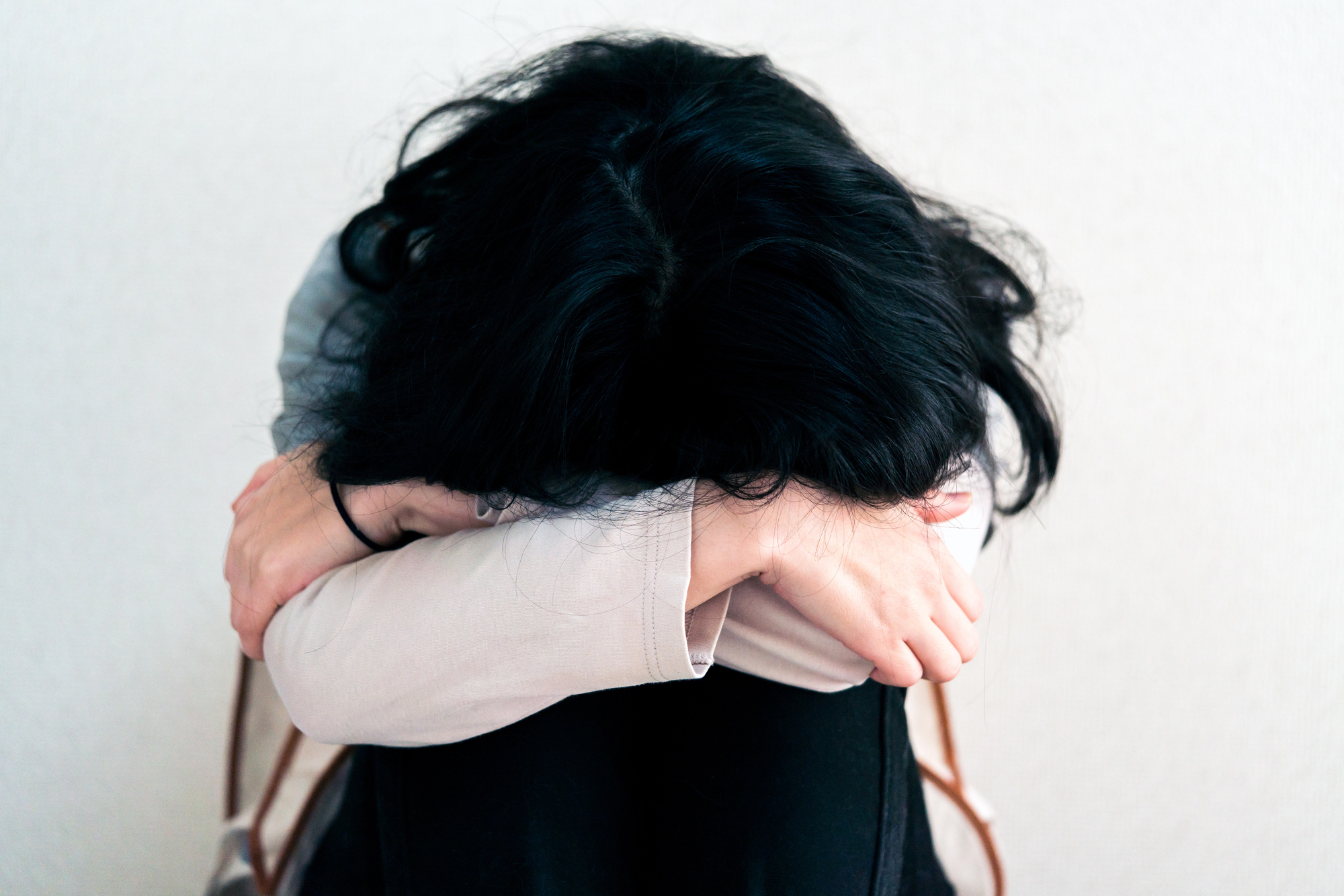
How Can I Best Leave an Abusive Marriage and What Should I Do?
Did you know that every minute, 20 people are physically abused by their intimate partners? That totals to more than 10 million people in just one year.
And the worst part? That statistic doesn’t even cover psychological or emotional abuse which is even more common than physical abuse. Are you in an abusive marriage?
If you said no, are you sure? Spotting psychological and emotional abuse can be more difficult than identifying physical abuse, but we can help you find the differences and guide you to help.
Signs of Abuse
For those in a toxic relationship, identifying the specific type(s) of abuse can seem daunting. A good place to start is looking for broad and general signs of abuse.
This can include traits of possessiveness and jealousy as well as verbal signs like threats and put-downs. The tell-tale sign of an abusive relationship is, of course, physical and/or sexual violence.
With people now exploring their sexuality more than ever, it can be difficult to decipher whether your partner is exploring a fantasy, or they’re abusing you. During sex and throughout your days, pay attention to their behavior for these toxic traits.
Another sign of abuse is focused on you, the victim. If you find yourself excusing their behavior often or you blame yourself for the way they’re acting all the time, you are likely in an abusive marriage.
In more extreme cases, the victim can experience Stockholm syndrome, which is typically considered as a psychological coping mechanism. If you are experiencing Stockholm syndrome, you are likely to brush off the idea. It helps to see a professional or to reach out to a friend who can help you spot the signs.
Psychological Abuse
Psychological abuse, also known as emotional abuse, is the most difficult to spot as it is very manipulative. If left unchecked, over time the victim will begin to internalize this abuse and they’ll believe it’s true and it’s their fault. Because it’s so elusive and hard to identify, between 50 and 80 percent of adults are at risk of psychological abuse.
Most psychological abuse is used to shame, humiliate, and instill fear into the victim so the abuser can assume power and control. Because the abusers want said control, a good indicator of emotional abuse is the constant knowledge of where you are at all times. This includes tracking you from your phone, controlling where you go, deciding who you hang out with, forcing you to be home at certain times, the list goes on.
Another trick used by psychological abusers is gaslighting. This form of manipulation makes you wonder if an incident or something else was real or not. You will start to question your own sanity, wondering if maybe your abuser is right and perhaps you had just remembered wrong.
Psychological abuse isn’t just limited to these traits and methods, though. Another common trick that psychological abusers use is emotional neglect.
Essentially, they’ll start to ignore you by not communicating with you, perhaps disappearing with no mention, turning others against you. They’ll even attempt to emotionally isolate you from others to maintain control.
They can do this by assassinating your character which would turn your friends away; they’ll try to come in between you and your family, and much more. Doing all this may seem counterproductive on the abuser’s part, especially if they’re shutting you out, but if you have no one to go to except for them, that’s exactly what they want.
Physical Abuse
Physical abuse is the one most often discussed and portrayed in television and film. Just like with psychological abuse, the main goal of the abuser is to gain power and control over the victim. While the methods utilized by an emotional abuser are subtle and hard to detect, those used by a physical abuser are clear and intimidating.
When discussing how the victim feels, in a psychologically abusive relationship, your feelings are sometimes confusing and you tend to blame yourself, painting your abuser as the “good guy”.
With physical abuse, you’ll still wonder if perhaps you are to blame for their behavior, but you’ll also feel afraid of your partner. You may avoid talking about certain things because you don’t want to make your partner angry, you think that you deserve to be mistreated, and in extreme situations, you may even feel emotionally numb.
Physical abusers use tactics utilized by emotional abusers like belittling and they carry similar traits like possessiveness and jealousy, but what sets them apart is that when those methods fail, they get physical. Physical abusers tend to have a bad temper, they threaten you with harm of all extents, they use you for sex, and they can even threaten suicide if you were to leave them.
Another thing to note is that physical abuse follows a cycle: abuse, guilt, excuses, “normal” behavior, fantasizing, and the set-up. If you think you are a victim of physical abuse or you believe you are in an abusive marriage or relationship, refer to this cycle and look at where you are now and how past incidents have played out.
Physical Abuse
Physical abuse is the one most often discussed and portrayed in television and film. Just like with psychological abuse, the main goal of the abuser is to gain power and control over the victim. While the methods utilized by an emotional abuser are subtle and hard to detect, those used by a physical abuser are clear and intimidating.
When discussing how the victim feels, in a psychologically abusive relationship, your feelings are sometimes confusing and you tend to blame yourself, painting your abuser as the “good guy”.
With physical abuse, you’ll still wonder if perhaps you are to blame for their behavior, but you’ll also feel afraid of your partner. You may avoid talking about certain things because you don’t want to make your partner angry, you think that you deserve to be mistreated, and in extreme situations, you may even feel emotionally numb.
Physical abusers use tactics utilized by emotional abusers like belittling and they carry similar traits like possessiveness and jealousy, but what sets them apart is that when those methods fail, they get physical. Physical abusers tend to have a bad temper, they threaten you with harm of all extents, they use you for sex, and they can even threaten suicide if you were to leave them.
Another thing to note is that physical abuse follows a cycle: abuse, guilt, excuses, “normal” behavior, fantasizing, and the set-up. If you think you are a victim of physical abuse or you believe you are in an abusive marriage or relationship, refer to this cycle and look at where you are now and how past incidents have played out.
Abuse of Men
While definitely not as common as women with male abusers, men can be the victims. In fact, 29% of straight men have been physically abused by their partners. When discussing emotional abuse, nearly 48% of men have been abused.
Because of the toxic masculinity instilled by the patriarchal society we live in, most men don’t feel comfortable discussing their own mental health, substance abuse, and domestic abuse. Not only do they not feel comfortable discussing these things with others, but they don’t want to admit to themselves that these things are happening to them.
For men, spotting the signs of abuse is the same as if you were a woman. While it may be difficult, it’s time to stop being one of the 830,000 men a year that are victims of domestic abuse.
What Should I Do?
If you truly believe you are in an abusive relationship, it’s time to come up with a plan. Are you leaving? Are you filing for divorce or breaking up with them?
Your plan is crucial to your escape. If you live with your abuser, things can get difficult. You’ll want to find a way out of your lease or at least communicate with your landlord or leasing office regarding your current situation.
Whatever your plan may be, you should have a place to go at a moment’s notice. Alerting your family or your friends is a great option for this. If you aren’t ready to tell your family what’s been happening, that is completely valid and understandable, you’ll just want to contact a close friend first.
If you aren’t leaving right away, start documenting everything that happens. This can come in handy should you decide to press charges on your abuser. They’ll also help you know you aren’t insane, you can share them with a therapist, and you can even refer to them should you find yourself in another abusive relationship.
Another tip if you aren’t leaving right away is to have an emergency bag ready to go. Should you need to flee at a moment’s notice, you don’t want to stick around packing while your abuser is agitated. If your abuser is known to tarnish your belongings, you can consider packing items that have significant value to you, however, you should prioritize necessities first.
To avoid an outburst that could be detrimental, hide your emergency bag where you know your abuser won’t find it. Along with your emergency bag, hide a good amount of money so you can support yourself while you stay with your friends or with family.
Reaching out for Help
If you still aren’t sure that you’re in an abusive marriage or relationship, reach out for help. Making a quick call to the National Domestic Violence Hotline can be a big help in determining whether or not you’re a victim.
If you don’t feel comfortable with calling out of fear of your abuser, consider talking to a therapist should you have one. If this isn’t an option, search your area for local help centers and plan a visit without the knowledge of your abuser.
If none of these are options, as we’ve mentioned before, reach out to friends or family. They know you just as much as you know yourself and will be willing to help in any way possible.
Should I Press Charges?
While to an outsider this question may be very straightforward and easy to answer, for a victim, it’s more challenging. Should your plans fail and you end up back with the abuser, them knowing you pressed charges or you were going to could escalate things. Or perhaps you truly believe they’re a good person and you don’t want them to go to jail.
Whatever the reason is, you have the option to call the police or file a criminal complaint. Should you not do so, nothing will likely happen. You can leave the relationship or marriage, not do anything legally, and then be done with it, however, there is always the risk that the abuser can return.
Should you press charges, then you don’t have much of a say when it comes to their court case and if they get jail time. When it comes down to it, the decision is yours.
What About Divorce?
While this question carries many of the same pros and cons of pressing charges, it can be a bit trickier. Should you decide to leave your abusive marriage, your abuser could beg you to stay and say they’ll change.
How do you know this isn’t just another trick? Will they change?
It’s an important decision to make, but should you decide to not believe them and you go through your divorce, if you have kids, you’ll want to assume custody of them. Most states lean into what’s best for the child so if you have proof of abuse, that can go a long way. If you kept a journal as we discussed earlier or you still have bruises or scars, all of that can be evidence of your abuse.
If you’re still on the fence, it’s a good idea to learn more and consider finding an affordable lawyer.
The Road to Recovery
Recovering from an abusive relationship is not an easy journey and it will take time. Exposure to both long-term physical and emotional abuse could result in PTSD and trust issues. Taking your time to recuperate and instill trust in others is important for your recovery.
Because it’s common to blame yourself for the behavior of your abusers, once out of the relationship you could be angry with yourself for not recognizing the abuse earlier. You need to forgive yourself and start building up to loving and trusting yourself again. None of the abuse was your fault and you need to start being comfortable with that.
It’s also helpful to search your area for local support groups. Many can likely be found at the local help centers we referred to earlier. Speaking anonymously with other domestic abuse survivors can be a big help not only to you but to others as well.
Moving on From Your Abusive Marriage
Recovering from an abusive marriage or relationship takes time, but eventually, you’ll reach the point in your life where it’s time to move on. It’s important to keep hold of the lessons you learned and the knowledge you’ve gained, but your abuser doesn’t deserve any more power over you. It’s time to leave them behind.
If you found this article helpful in any way or you think it may benefit someone you know, be sure to share it with them. If you would like to read more content like this, go ahead and check out the rest of our blog. And remember, you are not alone.
#crime #domesticviolence #abuse #abusiverelationshp

Domestic violence is a pervasive and insidious issue that shatters lives and undermines the fabric of families and communities. It encompasses a range of abusive behaviors, physical, emotional, psychological, or financial, inflicted by one partner onto another within the context of an intimate relationship. Its impact extends far beyond the immediate victims, often leaving lasting scars on children who witness or experience it. Addressing domestic violence requires multifaceted approaches, including education, support services, legal intervention, and cultural shifts to challenge entrenched attitudes that perpetuate this cycle of harm. Every individual deserves to feel safe and respected in their own home, free from the threat of violence or coercion.


